
Belated Happy New Year! How goes it with the resolutions? Already eh? Ha! Ha! That is a very big club!
Good intentions often get sidelined when the realities of life hit, or the motivations wane somewhat. In the world of the professional coach however, good intent is established at the start of each and every conversation with each and every client.
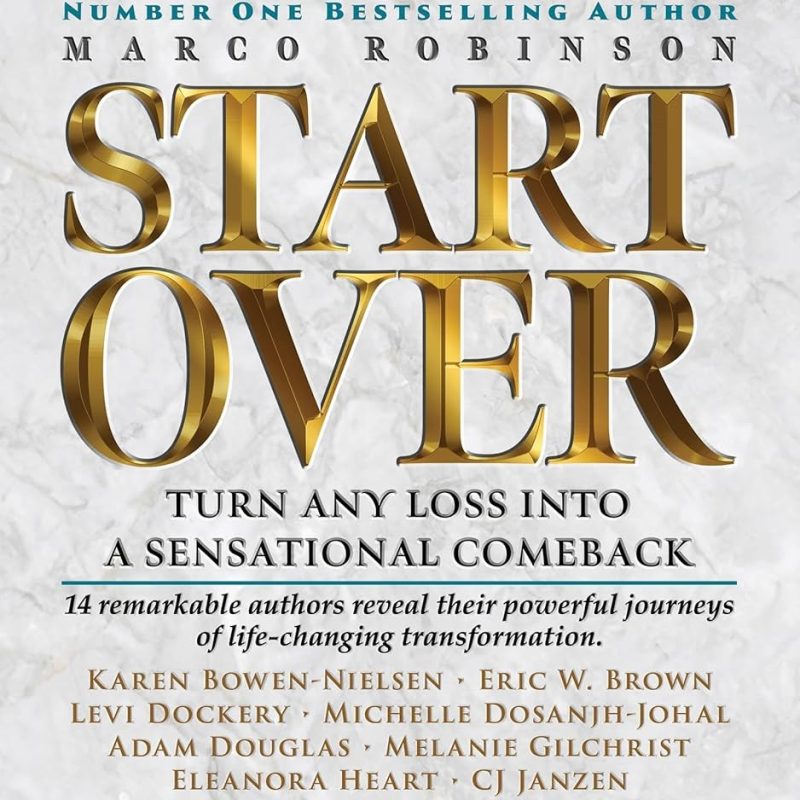
In this extract from my chapter “A Knight in White Satin” – included in the book “Start Over – volume 7 – turn any loss into a sensational comeback” I explain why a professional coach must have good intent.
“… a professional coach must be aware of themselves – their values, prejudices and opinions – so that they can set them aside in conversation with a client. It is the duty of the coach to see the world from the coachees’ perspective, always acting on their behalf. This creates a safe environment to question, challenge, and expand their viewpoint, helping the coachee to examine their goals and motives to improve their performance. Self-examination and reflective practice are key to delivering the best experience. Know oneself, seek to understand the client, and always act with pure intent…”
Within a coaching relationship it is critical to establish and maintain trust and psychological safety. The clients’ perception of the coach must be that they are not judging, manipulating or promoting their own agenda. Once this environment is established, the client feels more willing to explore their more creative (outlandish even!) ideas, which they would not share elsewhere. They are more willing to expose their vulnerabilities and be more open and honest than they otherwise might. Exploring blind spots in their thinking takes a level of humility which many of the stronger, more powerful leaders would be reluctant to do outside the comfort of this safe environment.
To challenge a persons’ established wisdom, their ideas, and their motivations, can feel threatening and destructive if that trusting, non-judgemental space is not provided and protected.
In this mode, a professional coach role-models ethical leadership; displaying empathy, humility and a responsibility to the process.
Imagine how easy it would be, coming to coaching from senior leadership roles, to outwit the client; to massage my own ego, by guiding them towards solutions which I might favour myself. A great coach sets aside their own ego, and encourages the client to explore and expand their own ideas. I seek to understand their world, their challenges and their creativity. Humility is all.
My personal coaching style is objective and challenging. I am autistic – and telling the brutal truth is a characteristic of mine. For me therefore, the provision of a comfortable, trusting, empathic environment is of the utmost importance. This enables me to deliver the most candid feedback without triggering defensiveness, to ask provocative questions which stretch the clients’ thinking, and to hold my client accountable whilst preserving their dignity.
What happens when this good intent wanes? How does a coach know that they have allowed their ego to interrupt the flow of this structured safe space? Reflective practice, being honest with oneself about the conversation and it’s outcomes, and also by submitting to professional supervision, keeps us on track. As ever, honesty and humility is all.”
If you’d like to explore how professional coaching — grounded in trust, psychological safety and pure intent — can support your leadership or business growth, Karen would love to hear from you. As an experienced executive coach and co-founder of Quiver Management, Karen works with leaders and leadership teams to challenge thinking, build confidence and unlock sustainable performance. Get in touch to start a conversation about how coaching could make a difference for you or your organisation.
Back to News & Blogs Overview